Martin Fokken, Andrea Linnenkohl, Robert Peper: Diversity, Equity, Inclusion and documenta
16.06.26, 6 pm
What do diversity, equity, and inclusion mean for an institution like documenta—and how can these concepts be translated into concrete terms in exhibition practice, organizational structure, and public accessibility? The panel discussion brings together three documenta staff members who approach these questions from different areas of work: from production and technology to exhibition management, organizational learning, sustainability, and accessibility. Together, they will discuss which experiences have shaped previous editions of documenta, which measures have already been implemented—from structural adaptations to plain language—and what challenges lie ahead with regard to the upcoming documenta 16.
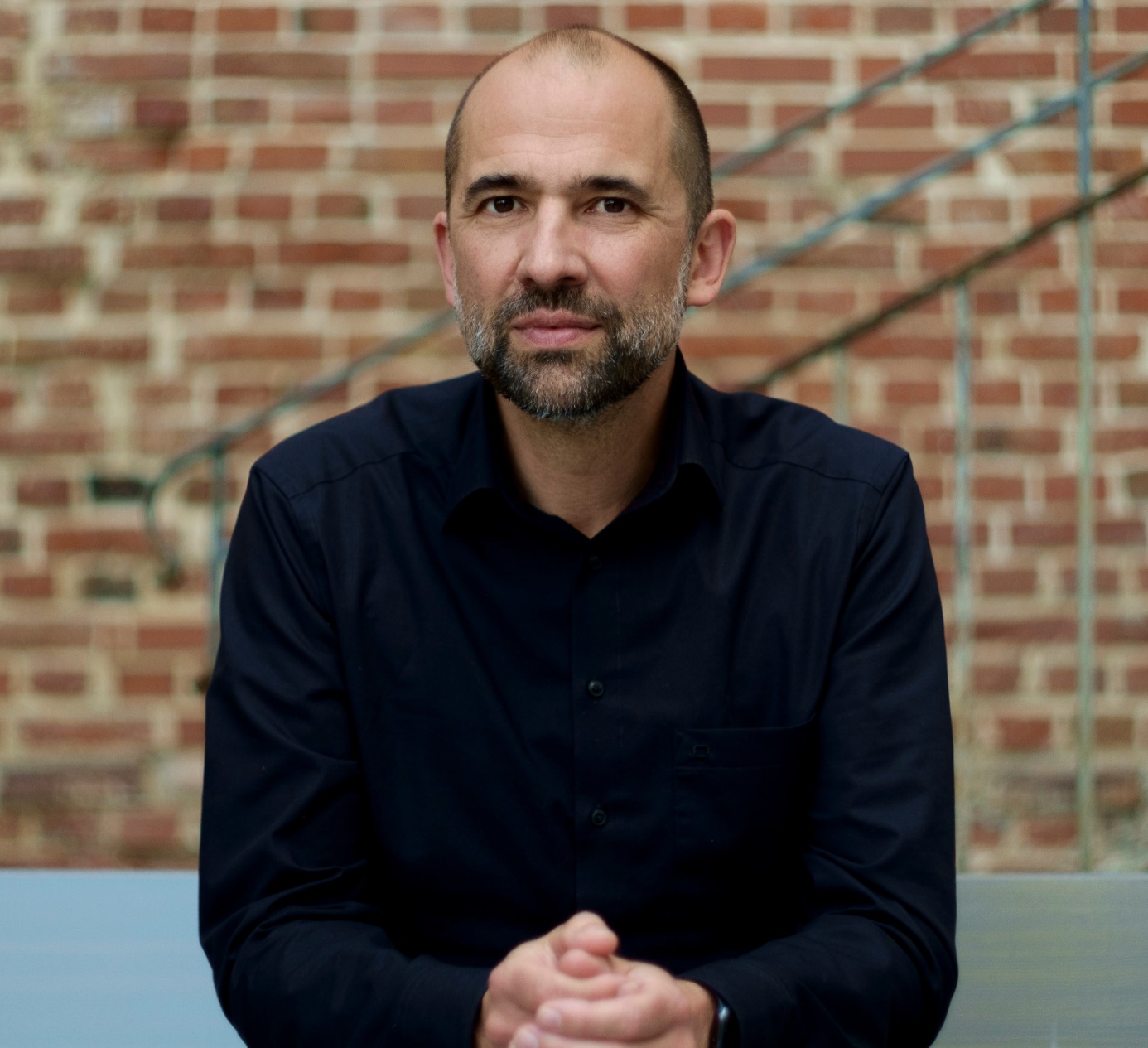
Martin Fokken is an architect (AKH). After studying architecture at the University of Fine Arts in Hamburg, he worked in Madrid for ten years, primarily in residential and commercial construction as well as exhibition design. Back in Germany, he initially worked in Hanover before taking on the role of technical director at documenta and the Museum Fridericianum gGmbH in Kassel, where he has served as head of the Production and Technology Department since 2019.
Photo: Iswanto Hartono
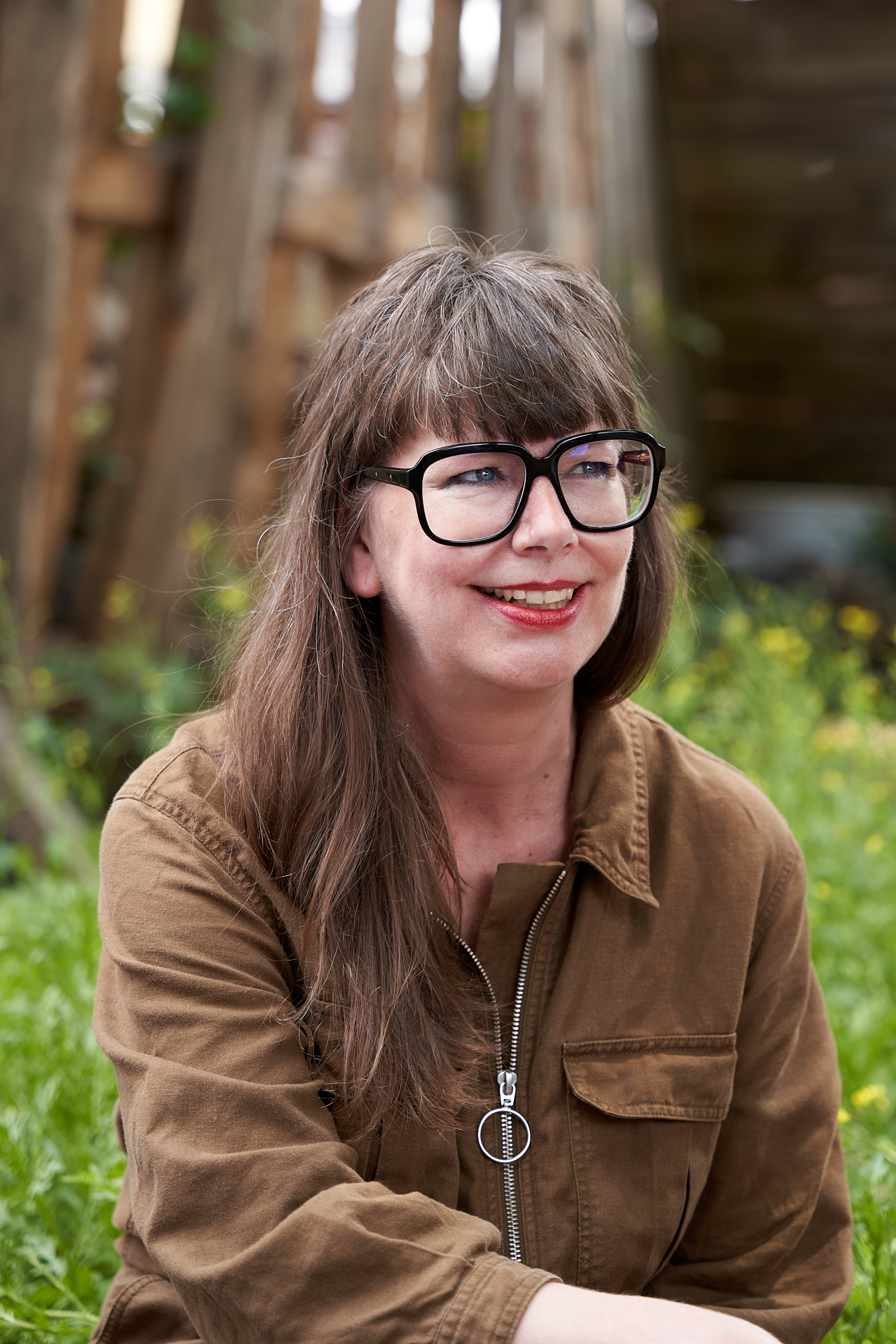
Andrea Linnenkohl is Head of Exhibition Management at documenta. She studied art history, sociology, and cultural anthropology in Göttingen and joined the curatorial department of the Fridericianum in 2006. After serving as a project manager for documenta 12, she worked as a curator alongside Rein Wolfs at the Fridericianum from 2008 until the end of 2011. She subsequently returned to the role of project manager for documenta 13 and moved to the Kassel Documentary Film and Video Festival in 2013 for its anniversary edition.
She returned to documenta 14 as a curatorial advisor and assistant to Artistic Director Adam Szymczyk. She subsequently served as project manager for the exhibition bauhaus | documenta. Vision and Brand (2019), which was on view at the Neue Galerie Kassel. Andrea Linnenkohl was General Coordinator and a member of the Artistic Team for documenta 15 before assuming her current position.
Photo: Nicolas Wefers
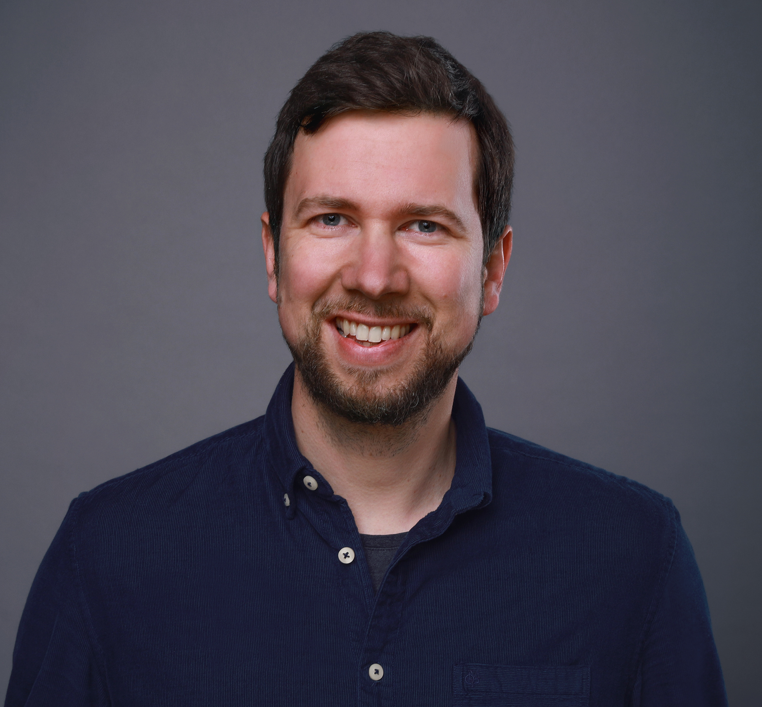
Robert Peper studied Applied Cultural Studies at Leuphana University of Lüneburg. He went on to earn his doctorate (Dr. phil.) at the Institute for Sociology and Cultural Organization. In 2016, he began working at the Kulturpolitische Gesellschaft in Bonn. Since 2014, he has been working as a freelance cultural and network consultant throughout Germany, primarily in collaboration with the Netzwerk Kulturberatung Berlin. After six years as a research assistant and postdoctoral fellow at the KMM Institute (from 2017 to 2023), he moved to the Diemel-Egge-Weser Adult Education Association, which he headed from July to December 2023. This was followed by a transition to self-employment. Since May 2025, he has headed the Department of Organizational Learning (Sustainability, Accessibility, Anti-Discrimination) at documenta and Museum Fridericianum gGmbH in Kassel.
Photo: Inga Sommer PHOTOGRAPHIE
Fokken, Linnenkohl and Peper were invited by Felix Vogel as part of his seminar Crip Time: Art, Architecture and Disability.
The event will be held in German.